
 Share
Share Post
PostPublished
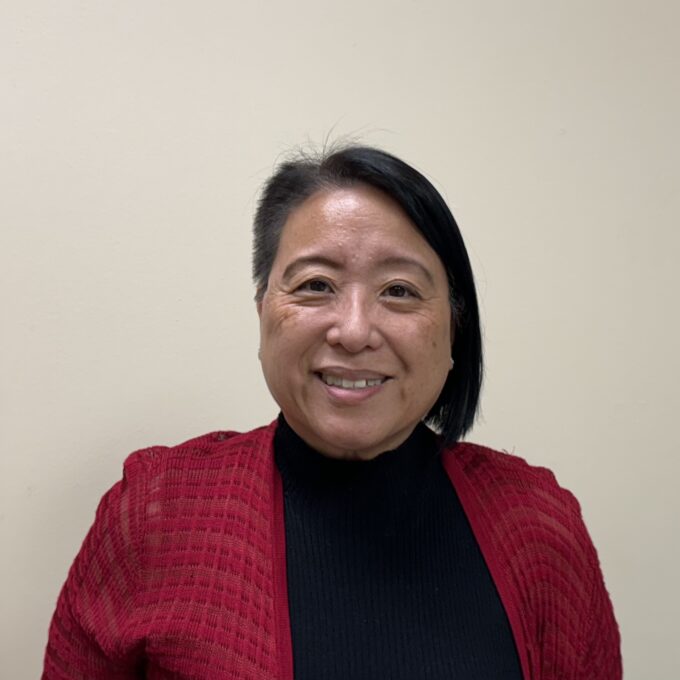
According to AARP’s Caregiving in the US 2025 report, unpaid family caregivers provide an average of 27 hours of care each week, and one in four caregivers provide over 40 hours of support each week — equivalent to working a full-time job. Caring for a loved one comes with challenges and is a difficult responsibility in its own right. The financial and emotional burdens that come with caregiving can be even more challenging for those who are sandwich generation caregivers — those caring for both aging parents and their own children at the same time. Nearly one in three caregivers today are in this dual role, often managing very different sets of needs across generations.
Keiro spoke with Lisa, a sandwich generation caregiver who works full-time while primarily caring for her adult sons and sharing care responsibilities for her aging parents with her sister and nephew. Her story highlights the weight of caregiving, the daily juggling act, and the importance of seeking support.
The Emotional Weight of Caregiving
Caregivers may often experience guilt and regret along their journeys. Lisa shared that when her sons, who have developmental disabilities, were younger, she struggled to advocate for them when they were having difficulties in school. “I felt very guilty…for not having done more when they were little,” she reflected. Cultural norms about respecting authority influenced her reluctance to challenge institutions, “I wasn’t assertive enough to push for [certain accessibility resources and services] for my kids.”
This mix of cultural values like enryo (restraint) and gaman (perseverance), while keeping up with caregiving responsibilities, made navigating systems like schools, hospitals, and other services tedious and even more isolating. Lisa further explained that meeting her sons’ needs required experimenting with therapies and programs that were not covered by insurance or provided by schools. The reality for many caregivers is that finding effective support often requires trial and error as well as a heavy financial burden.
Balancing Care Across Generations
While taking care of her parents presents a lighter load thanks to her sister and nephew, who are their primary caregivers, the responsibility is ever-present. Lisa’s sister supports by preparing meals, managing medications, and taking their parents to doctor appointments. Lisa shared, “Normally, I’ll call [or visit them] just to see if I can help out with anything they may need.”
Additionally, Lisa mentioned that she monitors both parents’ glucose levels as a way to supplement the care they receive from her sister and nephew. Lisa’s sons’ needs, however, are ongoing and complex — spanning academics, emotional health, and daily living. This creates very different sets of demands compared to caring for older adults. Many sandwich generation caregivers face the same reality: two generations, both needing care, but in very different ways.
Finding Community and Support
Despite these difficulties, Lisa stressed the value of connection with others. She participates in a caregiver club, learning from older peers in unique and personal care situations. “There are always hardships for all of us, and it’s hard at any level when you start caregiving. However, it’s really just talking to people… I’m learning from these other [caregivers] about how they’re caring for their spouse.” Lisa reflected on these learning points and noted, “Okay, I should expect this [with my parents].”
Support groups, advocacy organizations, and community programs provide both practical knowledge and emotional encouragement. Even when caregiving feels isolating, these connections remind caregivers there are others out there on similar paths.
Difficult Realities and Hope
Lisa’s experience reflects the diverse challenges many sandwich generation caregivers face: emotional strain, financial burdens, and the challenge of balancing multiple generations. However, her story also highlights perseverance, connection, and the reminder that support and resources are out there. Caregivers do not have to navigate this path alone — community networks, peer support, and advocacy groups can help lighten the load.
Keiro remains committed to supporting caregivers through programs such as its annual Caregiver Conferences, educational workshops, and caregiver support group facilitator training sessions, launching in 2026. Stay connected with Keiro to see what caregiver programs and resources are planned in the future.
Sources
AARP. (July 24, 2025). Caregiving in the US 2025. Retrieved from https://www.aarp.org/pri/topics/ltss/family-caregiving/caregiving-in-the-us-2025/