
 Share
Share Post
PostPublished
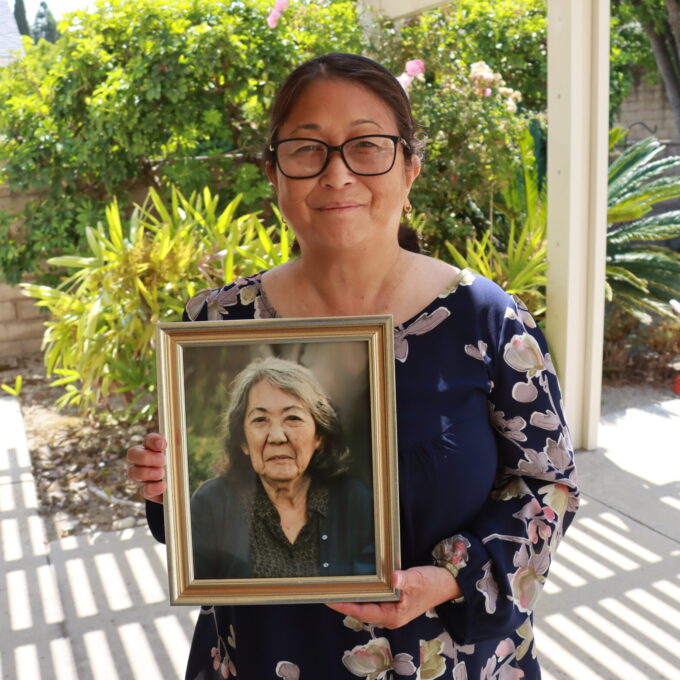
Becky is no stranger to caregiving, as both she and her mother, Dorothy, cared for her father until his passing at home. When she received a call that Dorothy had fallen and was in the hospital, Becky was determined “to do everything possible so that [my mother] was comfortable in her own home as she aged.” Reflecting on her caregiving journey, Becky can now say that she was able to achieve that goal up until Dorothy’s passing, thanks in part to Iyashi Care.
Different Than Hospice
While Dorothy was rehabilitating from her fall at a skilled nursing facility, one of Becky’s friends suggested she look into Iyashi Care — their family had used the program and found it very helpful. Becky’s initial, though common, perception of palliative care was that it “was almost like hospice.” With this preconceived notion of palliative care, she was unsure if it would be a good fit for her mother since Dorothy was still relatively healthy. Becky attended a community Iyashi Care presentation to learn more, but did not enroll Dorothy immediately.
After bringing Dorothy home and understanding her care needs, Becky decided to reach out to Iyashi Care. She recalled, “I think mentally and emotionally, it was really hard caring for my dad because I didn’t have the professional backup… I didn’t have an outlet or place to call [for support at the time].”
A Memorable First Doctor’s Visit
Dorothy’s initial visit with Dr. Yuichi Edwin Yanami, the Iyashi Care physician, was at her home. Becky got her first surprise when Dr. Yanami stayed for nearly an hour — not the 10- or 15-minute appointments she was used to. She shared, “We were in the living room, and [Dr. Yanami] was talking to my mom… trying to get a sense of who she was and what she liked to do.”

Becky’s second surprise was when Dr. Yanami commented that their last name was Okinawan, and asked if Dorothy liked Okinawan music. After a quick trip to his car, he came back with a sanshin — a traditional Okinawan instrument — and asked Dorothy to pick some of her favorite songs for them to sing. This first visit went a long way in establishing trust between Dorothy, Becky, and the Iyashi Care team.
Unmatched Support for the Family
Becky noted that the house visits and 24/7 access to the Iyashi Care team were particularly beneficial. In contrast with Dorothy’s usual vibrant, sharp, and active personality, she began to experience changes in her mobility, appetite, mood, and routine. Becky knew she was able to call the team to ask if she should be concerned or not, and received advice on how to adapt. “[Access to the team] took a tremendous amount of pressure off of guessing,” she explained.
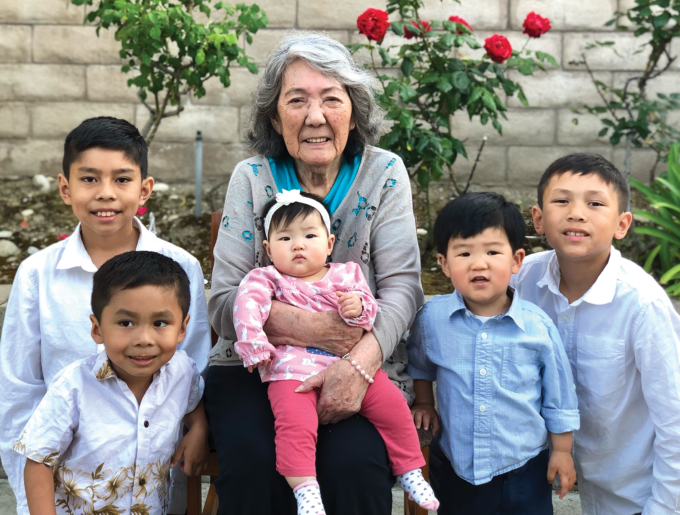
Additionally, three generations of the family shared the responsibility of caring for Dorothy — including grandchildren and great-grandchildren. Dr. Yanami and Kanako Fukuyama, the Iyashi Care social worker, met with the family to explain, in age-appropriate ways, what to expect and encouraged them to call the team with questions or concerns. For Becky, the inclusion of the whole family throughout Dorothy’s time enrolled in Iyashi Care was helpful because they, including the younger great-grandchildren, were not as afraid when she declined and eventually went on hospice.
Caring for the Caregiver
“I was floored when every month I got a call, and I’d be ready to answer, ‘Oh, mom is doing okay, this is what she is eating.’ And [the Iyashi Care team] would say, ‘We’re not calling for your mom, we’re calling for you. How are you doing?’” Becky said.
Support for the family caregivers’ wellbeing is a key component of Iyashi Care, since they may often neglect their own quality of life. According to AARP’s Caregiving in the US 2025 report, one in five caregivers report poor health, and nearly two-thirds experience moderate or high emotional stress. The team encourages self-care and provides validation, education, and counseling.
At the urging of Dr. Yanami and Kanako, Becky eventually made time for herself without feeling guilty, taking piano lessons and occasionally going to Disneyland with friends who were also caregivers. She explained, “You need that time to destress and decompress because you may feel like you’re doing okay, but you don’t realize how constantly your [loved ones] are on your mind.”
A Call to All Caregivers
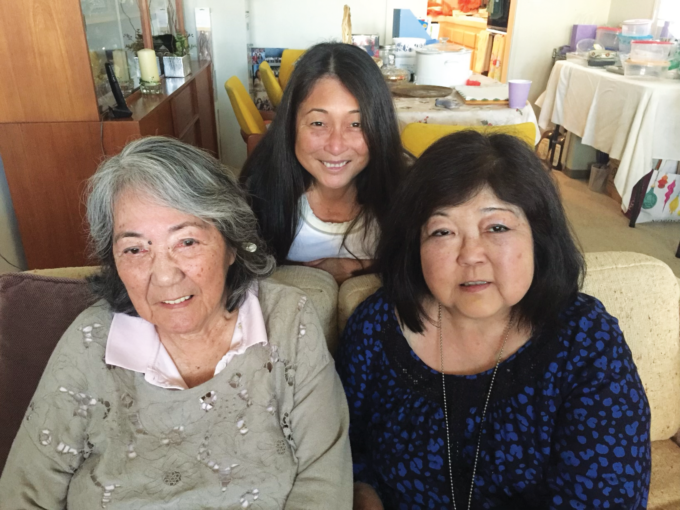
Becky encourages all family caregivers to look after themselves, in addition to their loved ones — including making time for their hobbies and not feeling guilty about asking for help. With both of her parents now gone, she is also starting to think about planning for her own care needs as she ages — something she wants to remind current, past, and future caregivers not to forget about.
“Iyashi Care eliminated a lot of that frustration and anxiety for [us],” Becky said, “I think I would have gone nuts if I didn’t have the support of the Iyashi Care team.”
For additional information about Iyashi Care or to enroll, please contact 213.873.5791 or [email protected].
Sources
AARP. (July 24, 2025). Caregiving in the US 2025. Retrieved from https://www.aarp.org/pri/topics/ltss/family-caregiving/caregiving-in-the-us-2025/