
 Share
Share Post
PostPublished
“I just thought it would be good to talk to someone about this [challenging] situation [in Japanese], just to have someone listen … It’s something you can’t talk to your friends about.”
– Yoko, client supported by the Keiro & LTSC Partnership
Since 2017, Keiro and Little Tokyo Service Center (LTSC) have partnered to expand and enhance LTSC’s existing bilingual services. At the core of this partnership is Keiro’s commitment to investing in trusted community organizations, and the people within them, who are already doing exceptional work but may be limited by systemic challenges such as unreliable funding sources, changing regulations and governmental priorities, workforce shortages, and lack of resources.
In 2020, at the height of the COVID-19 pandemic when the need was at an all-time high, the partnership pivoted to support mental health services. Since then, with support from Keiro, LTSC has provided more than 13,300 hours of free counseling and case management to older adults and caregivers in Our Community.
LTSC is one of the few organizations that provide mental health counseling and social services in Japanese. At its heart are the therapists, social workers, case managers, and other staff members, who care for the most vulnerable. Keiro sat down with Namiko, Licensed Clinical Social Worker, and Akiko, Licensed Clinical Social Worker, to learn more about their work and the impact of the Keiro and LTSC Partnership.
A Glimpse at the Day-to-Day
Both fluent in Japanese and English, Namiko primarily works with older adults, while Akiko sees adult clients of all ages. Due to ongoing stigma around addressing mental health in the Asian American, Native Hawaiian, and Pacific Islanders (AA/NHPIs) community, clients often seek help only once their situations have become very serious, and they have multiple concerns. Some examples of these concerns include physical and/or mental health issues, housing and/or financial instability, or family relationship problems. Because of this, LTSC utilizes a therapeutic case management approach. Akiko explained that while a client may have a clinical mental health diagnosis, it is challenging for them to address that diagnosis if the client is also worried about how they will pay next month’s rent.
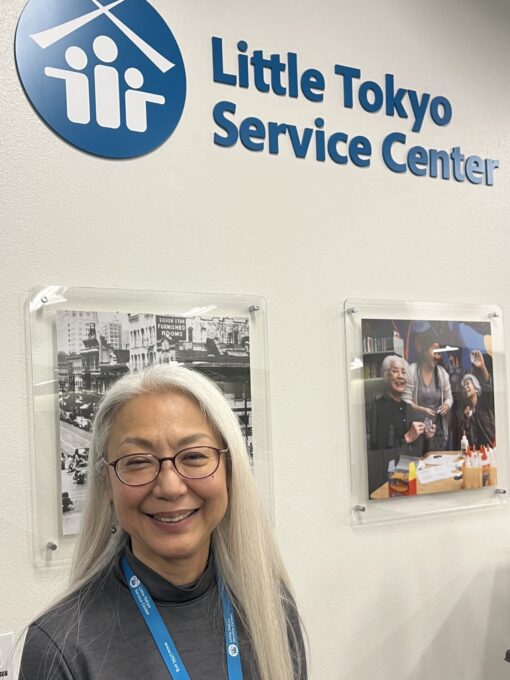
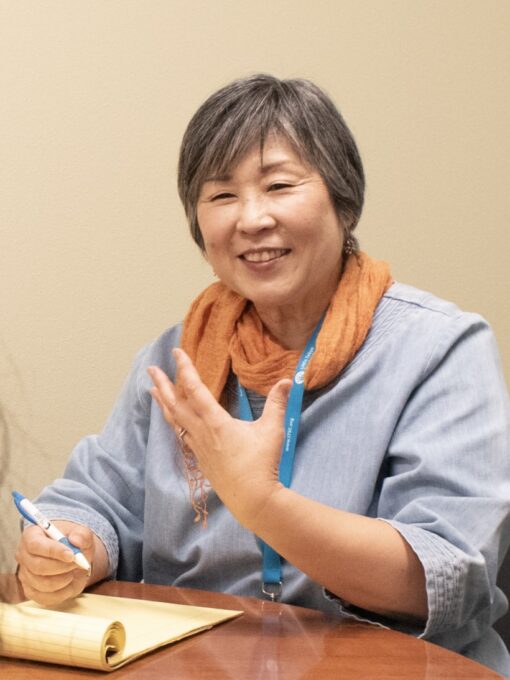
LTSC staff’s day-to-day work is multi-faceted — listening to clients, understanding what their needs and priorities are, helping them come up with solutions, connecting them to resources, and building trust. On some days, they may have traditional counseling appointments; on others, they could be accompanying a client to an appointment or helping with Japanese language interpretation and translation. The services each client receives is tailored specifically to their needs.
Supporting the Client Every Step of the Way
Namiko shared about an older Japanese-speaking client of hers who initially received grief support. Eventually, the client began having memory impairment to the point she could no longer safely live alone and had to move to a senior living facility. Namiko supported her throughout the entire process, including on her move-in day. She shared, “While providing case management support and assistance with moving, I was able to therapeutically help [the client] process and accept saying goodbye to her home. The flexible Keiro funding allowed me the time and space to do that.”
Flexibility, collaboration, and trust are key benefits of this unique partnership. Akiko explained other contracts and agencies may be very strict about types of support provided, expected progress, documentation, and length of time on service, regardless of what is actually best for the client. “We want to do a good job, but when there are a lot of restrictions, I can’t be so creative in thinking about the best solutions. The Keiro partnership is different because they trust our professional expertise.”
Seeing Progress, Big and Small
While Namiko and Akiko are both motivated by a strong desire to help those in need, the work can be emotionally challenging for the staff. They take great joy in seeing clients make even the smallest steps toward becoming more independent. The staff are known to give so much and they also remember to take care of themselves, whether it is partaking in activities with other LTSC staff or enjoying personal hobbies like being out in nature or listening to audio books.
“I would like the community to know that talking about mental health doesn’t have to be scary. Many of our clients had a negative impression of therapy before they reached out, but little by little, they started to blossom,” Akiko noted. “We’re here to help, however we can.”
Working in collaboration, both Keiro and LTSC are able to expand access to mental health services in Our Community by removing barriers and investing in people, flexible support, and culturally-sensitive care.
For additional information about the Little Tokyo Service Center Partnership or to enroll, visit keiro.org/ltsc-partnership.