
 Share
Share Post
PostPublished
Passion has a way of shaping more than a career — it shapes the people around us and the legacy we leave behind. Keiro sat down with three community members whose passions continue to shape Our Community.
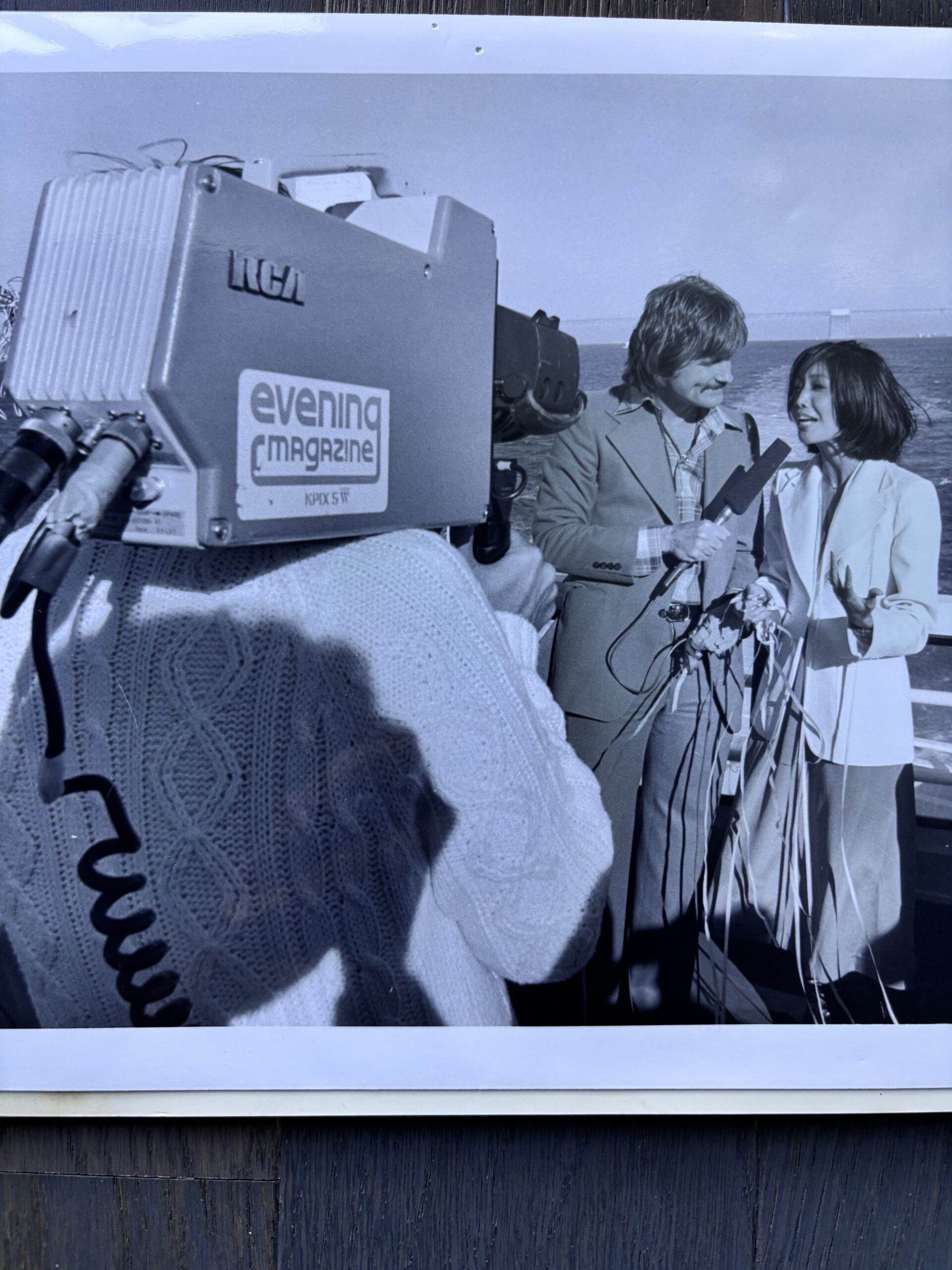
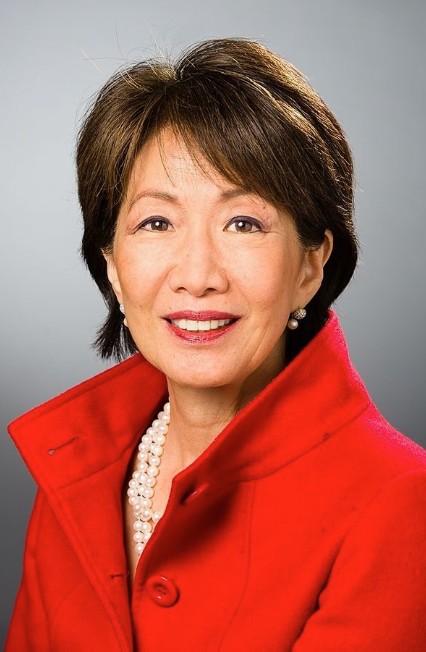
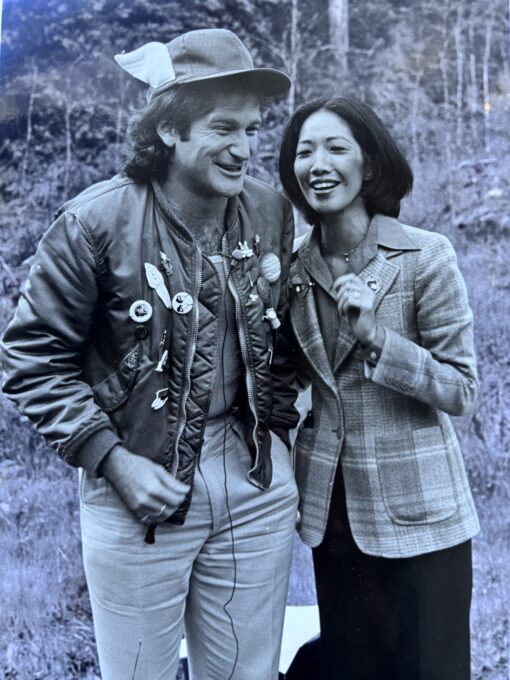
Jan Yanehiro broke barriers in broadcast journalism, opening doors for future generations and encouraging them to believe in themselves while lifting others along the way.
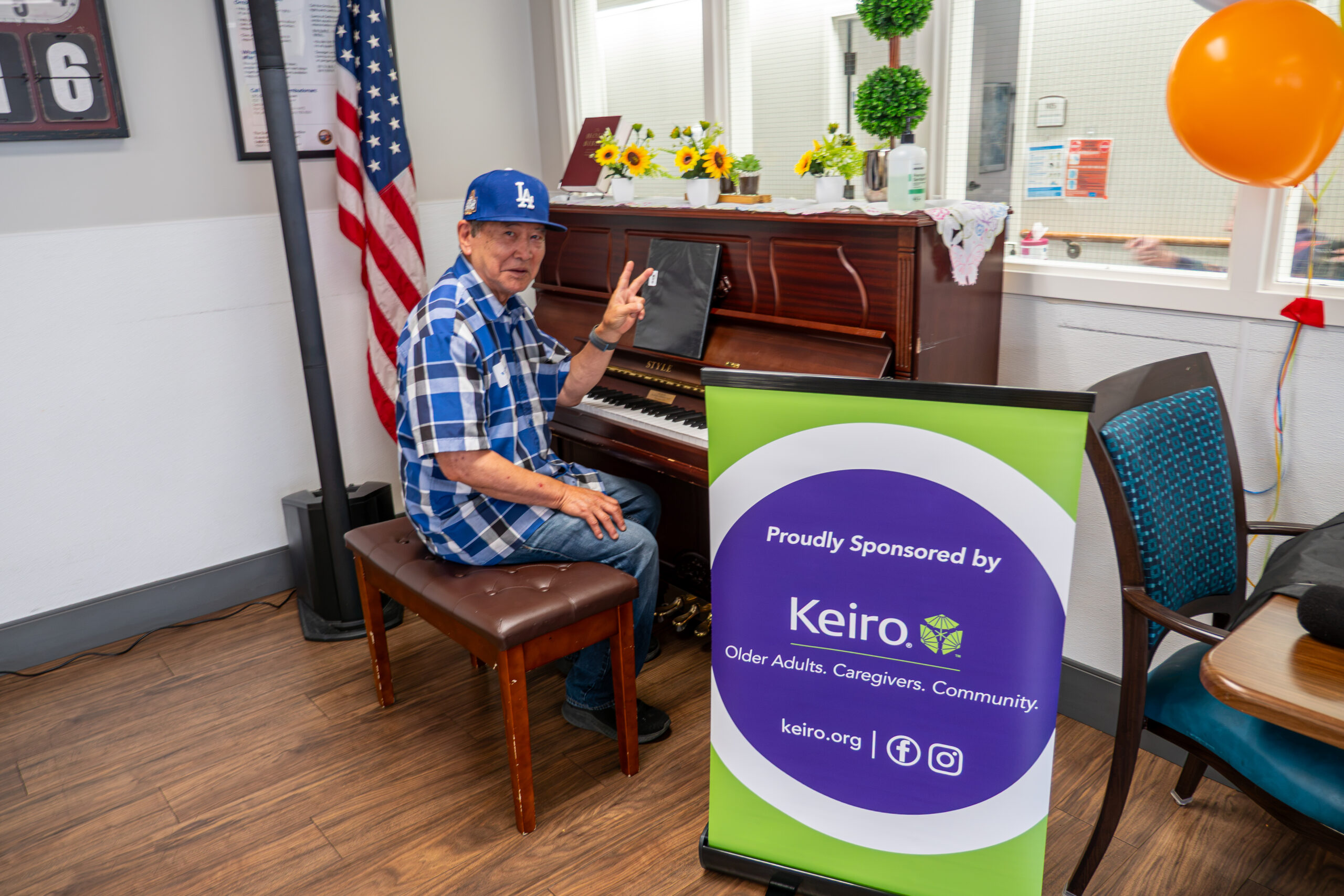
Scott Nagatani dedicated decades to sharing music with the community, using his piano keys to bridge the past and present while connecting generations.
Don Tahara built Far Bar into more than a bar restaurant — it became a neighborhood gathering place where community, culture, and connection continue to thrive in the heart of Little Tokyo.
Their stories remind us that while every journey is unique, passion can become something larger than ourselves.
Jan Yanehiro
Q: What was the passion that drove your career?
A: Growing up, my parents wanted me to have a safe job that most women had, such as being a teacher or a nurse. But it wasn’t for me. I knew it was going to be very difficult. I wanted to show not only myself but also others that someone like me could be on television, and that we can compete with the men.
Q: How did you manage to continue pursuing your dreams despite being told “no” so many times?
A: When I started my career as a radio reporter, I knew one day I wanted to be a television reporter. The problem was that nobody looked like me [on television] in 1975. All the stations in San Francisco gave me excuses like, “We don’t think radio people could make the transition to television.” What they were really saying was, “We don’t see anybody who looks like you on television.” But I kept knocking on doors because I wanted to give television reporting a try. Then one day, a door opened for an experimental television show called Evening Magazine on the CBS affiliate in San Francisco. I must have gone through a dozen interviews and auditions before landing the host position on the show. Variety magazine gave us eight weeks to survive, but we lasted 15 years.
Q: When you think about the legacy you’re building, what do you hope future generations will carry forward?
A: When I was teaching at the Academy of Art University, one of the things that I made sure to tell my students was that when they got to the top, I encouraged them to reach behind them and bring somebody forward to allow them to try new things and shine. But above all else, you’ve got to listen to your inner voice and believe you can do it. If you fail, you pick yourself up again. What’s wrong with that?
Scott Nagatani
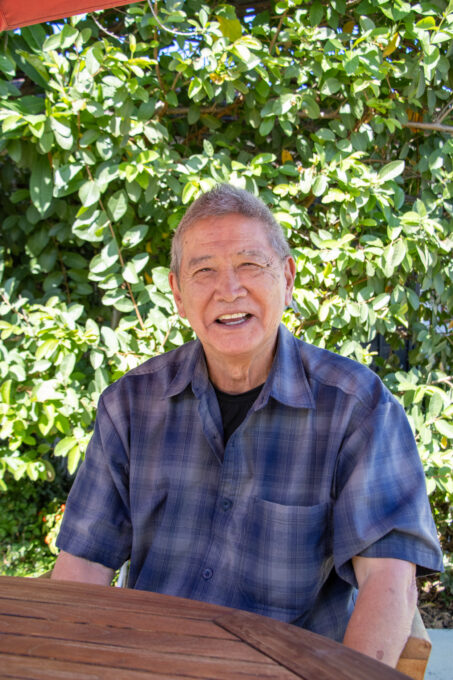
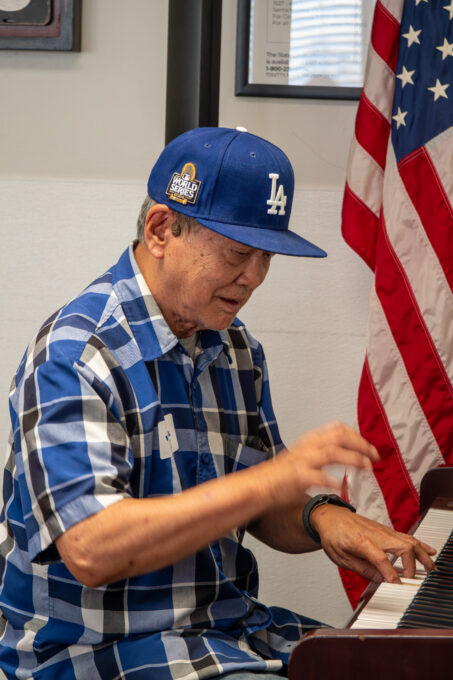
Q: What first led you to begin performing in senior residential care settings, and what continues to bring you back after all these years?
A: The community really helped me get involved. I’ve performed with the Grateful Crane Ensemble, with Nisei Week, and was also part of the East West Players Foreign Language Program. I first performed for Keiro in 1980 with the East West Players. I remember one time as we were leaving, a woman grabbed my arm and wouldn’t let go. She started speaking to me in Japanese, thinking I was her husband. That moment has stayed with me. I realized music takes people back to their youth — their teenage years. In the early 2000s, I also started researching my grandfather, who grew up in Boyle Heights. I never knew him, but I learned he sang Japanese songs — shigin specifically. That made me want to reconnect through music, and I began coming back to Keiro more intentionally to perform Japanese songs.
Q: How has your Japanese American identity shaped your work with seniors and the community?
A: Actually, I’d say music has helped me forge my Japanese American identity. Growing up, I didn’t feel fully Japanese or fully American. It’s a common problem, especially back then in the 60s. I would try to be liked by everybody, just trying to fit in. It really took the community to help me understand and embrace who I am today. Now I do a lot of bilingual Japanese songs. I used to translate books into songs, and I learned that Japanese songs are poetic — even if they sound simple or even silly. I try to find and create songs that can be enjoyed by different generations. Like Sukiyaki, which used to embarrass me as a kid, is now one of my favorite songs and is one that I play often for the community.
Q: When you think about the legacy you’re building, what do you hope future generations will carry forward?
A: I hope they’ll look after the older generation. I hope my grandkids will look after their kids and stay sensitive to our Japanese heritage. It’s not as easy now — kids move away, and times are getting harder. But it’s important. As far as the arts go, I hope music continues and isn’t replaced by artificial intelligence. Making music has been good for me. It keeps my mind sharp, and it would be a loss if the creative process were replaced.
Don Tahara
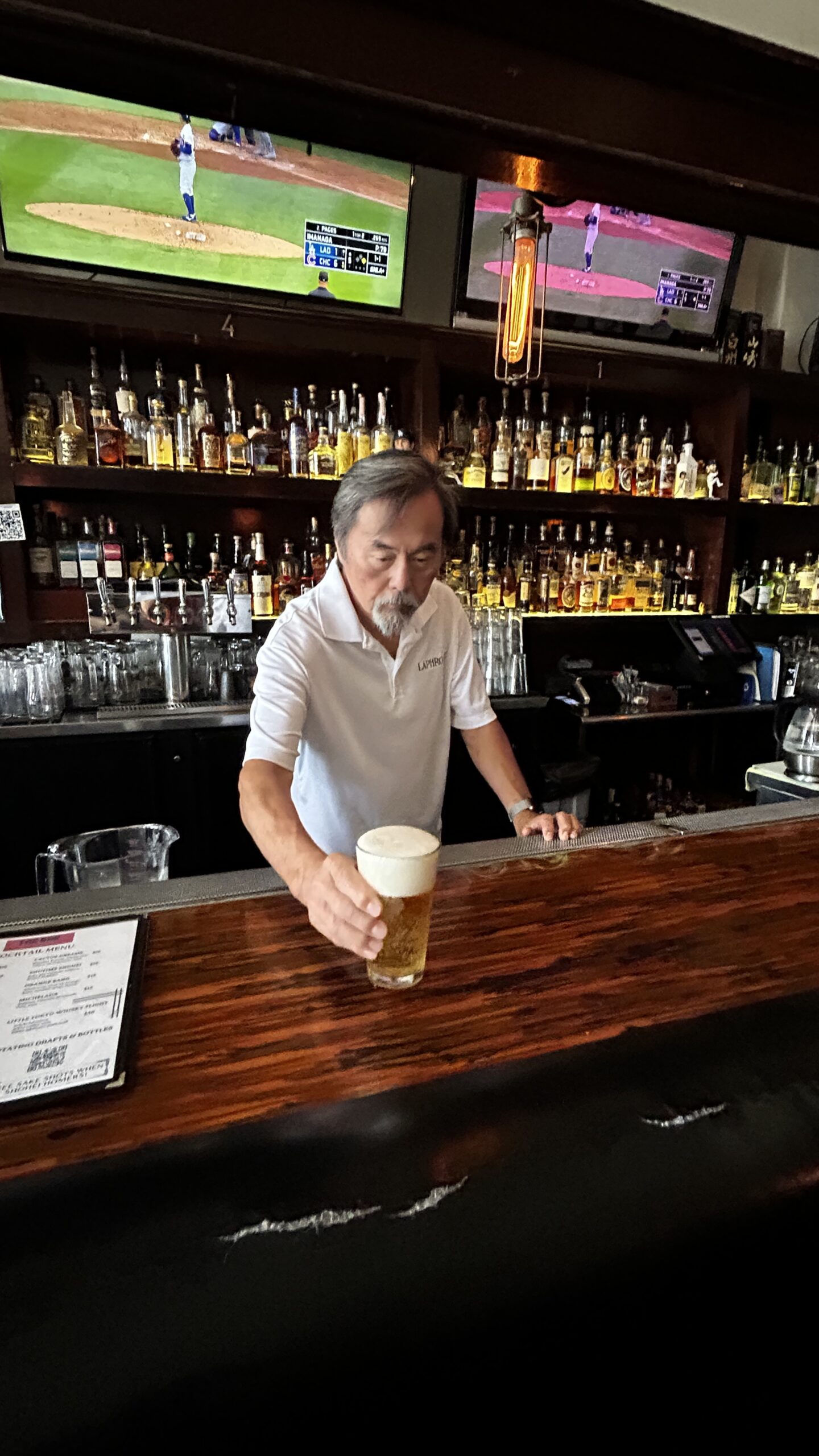
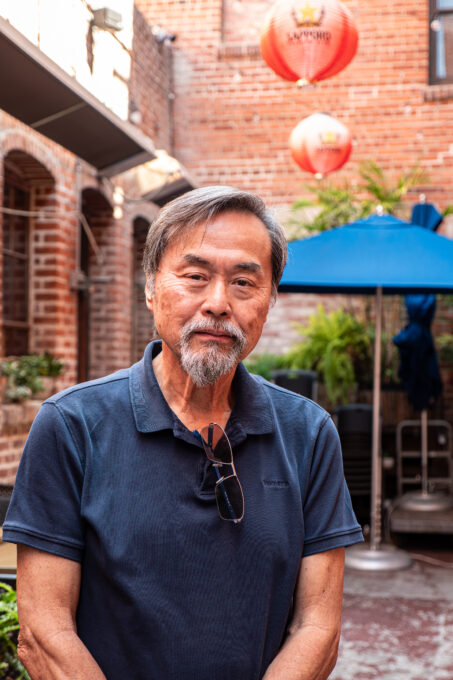
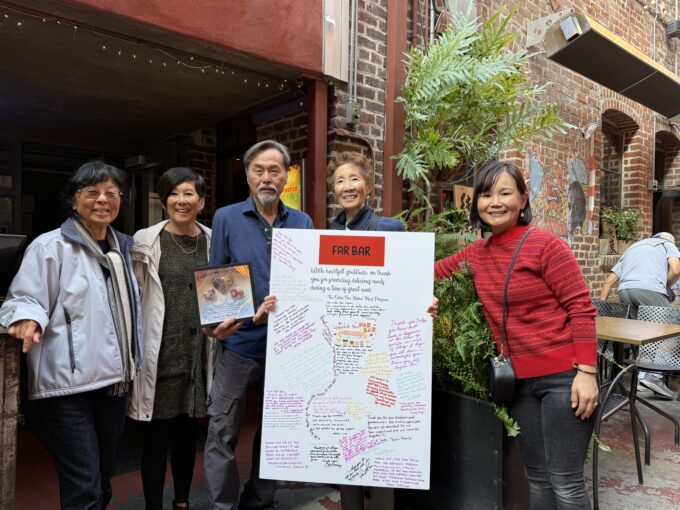
Q: What first drew you to the restaurant industry?
A: I liked the excitement — the fast pace, the customer interaction, and working alongside other people. I’d say I grew up in the kitchen, but not in the traditional sense. At home, my mother, who was born in Osaka, cooked with ingredients her family sent us from Japan in big wooden crates. But I didn’t grow up with only the Nisei interpretation of Japanese food at home. I grew up in a well-integrated neighborhood in South Los Angeles where we shared each other’s cultures through food. As a kid, I learned how to cook Mexican food by helping my neighbor cook for her family. Going to each other’s homes gave me an appreciation for every cuisine in our neighborhood.
Q: Is there a philosophy that has guided your decisions as the owner of Far Bar?
A: Before we opened, we made the decision to be a community restaurant. I’ve always imagined Far Bar as a place where everybody in the community could get together — whether it’s for a meeting, a drink after work, or a special occasion. Being community-oriented has always been part of our mission. We’ve worked closely with nonprofits, and over the years we’ve hosted weddings, funeral receptions (otokis), baby showers, and countless celebrations. It’s rewarding to know people continue to choose us for those moments. Our employees feel that too — they know they’re helping create memories. One of the best decisions we made was evolving Far Bar into an Asian gastropub. It became a place where people felt comfortable. Our early customers are now bringing their own families. People tell me, “I met my significant other at Far Bar.” It means a lot that people remember us and continue to come back.
Q: When you think about the legacy you’re building, what do you hope future generations will carry forward?
A: I think there has to be a constant investment back into the community. For Little Tokyo to succeed, business owners have to have that mentality. That’s how we create a stronger, more sustainable Little Tokyo. I’m bullish on the future. There’s a younger generation of leaders bringing new energy to Little Tokyo, and it’s infectious. They’re creative, resourceful, and they’re also just… funny! If they continue investing in Little Tokyo and in one another, that’s the legacy I hope carries forward.
The stories of Jan, Scott, and Don remind us that legacy is built one relationship, one conversation, and one act of service at a time. Whether through a shared meal, a familiar song, or a lifelong commitment to community, the impact we leave often begins with the passions we choose to nurture.
What we hear from one another shapes how we understand the world — and what we choose to carry forward. May these stories inspire you to ask questions, listen with intention, and take the time to know the people in your life.