
 Share
Share Post
PostPublished
Navigating the health care system can feel overwhelming, especially for older adults and their caregivers. By learning about their roles, how they can help, and what to expect, you will be better equipped to advocate for yourself and/or a loved one.
This fact sheet will discuss roles in the categories of Doctors & Physicians, Nursing & Clinical Support Staff, Other Clinicians, and Social Work Staff. Click on the icon to jump to that category:
Disclaimer: These are generally accepted roles and responsibilities; however, titles, required training/licensure, and scope of practice may vary by state and care setting.

Doctors & Physicians
Doctors and physicians (terms that are often used interchangeably) diagnose and manage medical treatment. Some serve as primary care providers (PCPs), while others specialize in hospital-based care, emergency medicine, or a specific field such as cardiology, oncology, or geriatrics. Understanding who is responsible for different aspects of care helps ensure effective communication and follow-up after treatment.
Primary Care Provider (PCP) [1]
A primary care provider is usually the first point of contact for health concerns. They manage long-term care, chronic conditions, and preventative screenings.
How They Help Patients:
- Monitor health over time and manage medications
- Coordinate with specialists and hospital teams
- Provide referrals, education, and regular checkups
What to Expect:
- Ongoing relationship with regular appointments over months or years
- Manage care transitions, especially after hospital discharge
- Suggest screening tests to detect potential health problems
Specialists [2][3]
Specialists are doctors who receive additional training in a specific area of medicine, such as cardiology (heart), oncology (cancer), neurology (brain and nervous system), or geriatrics (older adult care). They often work closely with PCPs to diagnose complex conditions, manage chronic diseases, or provide second opinions.
How They Help Patients:
- Diagnose and treat health concerns that require advanced expertise
- Monitor and manage chronic conditions in collaboration with other providers
- Perform specialized procedures or evaluations
What to Expect:
- May be referred by your PCP
- Typically work in outpatient clinics, hospitals, or specialty care centers
- Often require follow-up visits and coordination with other members of your care team
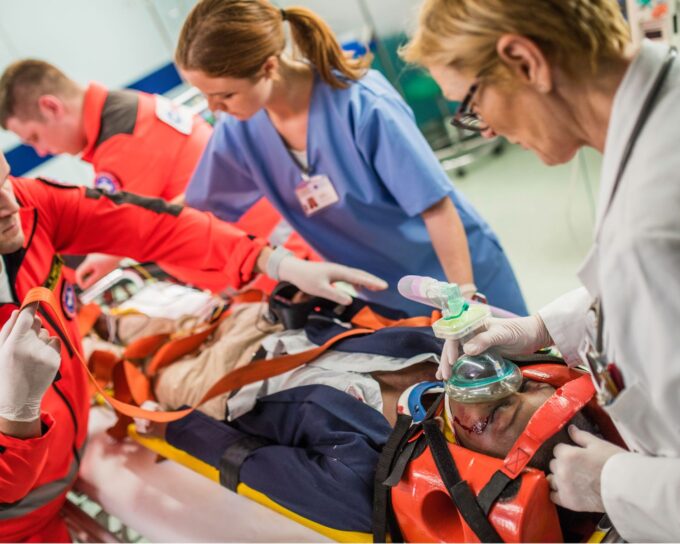
Emergency Room (ER) Doctor [4]
Emergency room (ER) doctors specialize in treating sudden or severe health problems. They make urgent diagnoses and decisions that can stabilize a patient before they’re admitted or discharged. Emergency services are sometimes also referred to as the Emergency Department (ED).
How They Help Patients:
- Assess and treat emergencies such as strokes, falls, infections, or heart attacks
- Provide rapid decisions that reduce delays in care
- Connect patients with specialists and hospital teams
What to Expect:
- Interactions may be short but focused on immediate care
- May order imaging, labs, or admit you to the hospital
- Will coordinate with a hospitalist or your PCP for further care
Hospitalist [5][6][7]
A hospitalist is a doctor who specializes in inpatient care, managing treatment from admission to discharge.
How They Help Patients:
- Address complex, chronic conditions common in older adults
- Coordinate care with nurses, specialists, and family members
- Plan discharge and transitions, including therapy or in-home care
What to Expect:
- Typically visit daily to monitor progress, adjust treatments, and answer questions
- May order tests, medications, or therapy to help speed up recovery
- Work with your PCP to coordinate follow-up care after you leave the hospital
Nursing & Clinical Support Staff
Nursing professionals provide hands-on medical and supportive care. They are essential in hospital, outpatient, and skilled nursing facility (SNF) settings. Understanding their roles can help clarify who to speak to depending on your needs.
Certified Nursing Assistant (CNA) [8][9]
Certified nursing assistants (CNAs) provide essential, hands-on support under the supervision of nurses, assisting with daily activities such as bathing, dressing, and feeding.
How They Help Patients:
- Assist with bathing, dressing, and mobility to ensure safety and comfort
- Provide companionship and emotional support to reduce feelings of isolation
- Monitor health conditions and report any changes to nurses or doctors
What to Expect:
- Frequent interactions and bedside care
- Help with meals, hygiene, and positioning
- Prevalent in long-term care facilities or assisted living communities

Patient Care Technician (PCT) [8][9]
Patient care technicians (PCTs) perform many of the same tasks as CNAs but also have additional training for basic medical tasks.
How They Help Patients:
- PCTs receive additional training compared to CNAs, allowing them to perform medical tasks like drawing blood and administering electrocardiograms (EKGs)
- Help patients prepare for procedures or monitor vital signs
What to Expect:
- Often work alongside or under the supervision of nurses
- More commonly found in acute care settings, where they may assist with specialized procedures and technologies
Licensed Vocational Nurse (LVN) / Licensed Practical Nurse (LPN) [10][12]
Licensed vocational nurses (LVNs) and licensed practical nurses (LPNs) provide basic medical care and support under the direction of an RN or physician.
How They Help Patients:
- Deliver daily medical care such as monitoring blood pressure, managing catheters, and administering certain medications
- Support chronic condition management by recognizing early warning signs of complications and alerting the care team to changes in symptoms or behavior
What to Expect:
- Consistent check-ins and daily care routines
- LVNs have the training to carry out certain medical procedures and make more autonomous judgments about patient care than CNAs.
Registered Nurse (RN) [11][12]
Registered nurses (RNs) provide direct medical care, administer treatments, and coordinate patient care.
How They Help Patients:
- Monitor health and administer treatments
- Educate patients and caregivers
- Provide emotional support during stressful situations
What to Expect:
- RNs are often the first point of contact for medical questions.
- Work in hospitals, nursing homes, home health, and outpatient clinics.
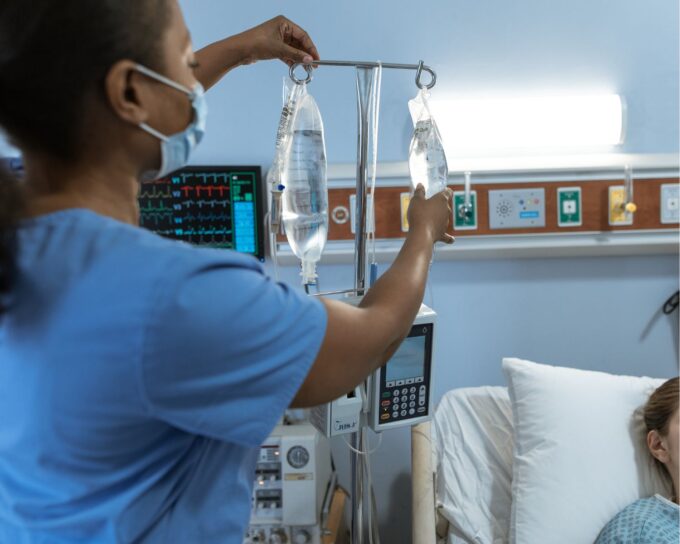
Nurse Practitioner (NP) / Advanced Practice Registered Nurse (APRN) [13][14]
Nurse practitioners (NPs) and advanced practice registered nurses (APRNs) are nurses with extra training who can diagnose illnesses, prescribe medications, and provide treatment, sometimes working independently from a doctor or physician.
How They Help Patients:
- Manage chronic conditions, screening, and treatment plan education
- Offer preventative screenings and guidance on aging-related health concerns
- Provide clear explanations and education to help caregivers manage medications and treatment plans
What to Expect:
- Will assess symptoms, order tests, and prescribe medications
- They may coordinate care with specialists or home health services
- Some NPs/APRNs work in urgent care and home health care, offering more accessible medical attention
Other Clinicians
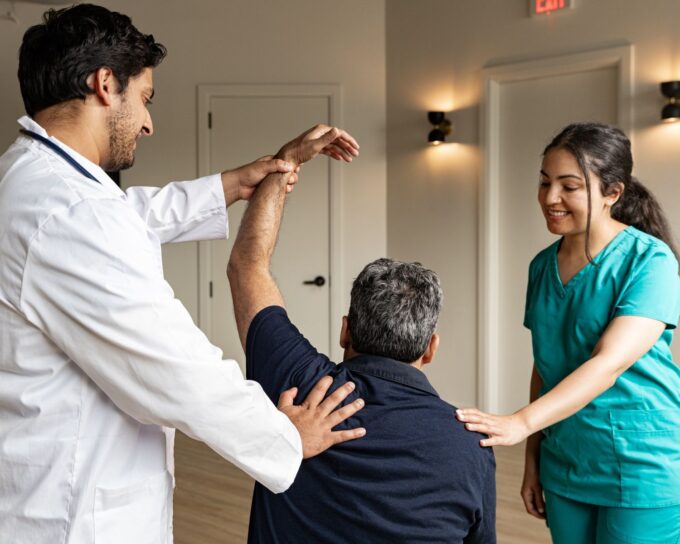
Medical Assistant [15][16]
Medical assistants support health care providers by performing both clinical and administrative tasks. They assist with exams, take vital signs, manage medical records, and help ensure efficient patient care in various health care settings.
How They Help Patients:
- Assist with medical exams, monitor vital signs, and administer medications
- Help improve efficiency in care by reducing wait times and streamlining medical visits
What to Expect:
- Typically work in doctors’ offices, clinics, and hospitals
- Usually under the direct supervision of a licensed physician, surgeon, specialist, physician assistant, or NP
Physician Assistant/Associate (PA) [17][18]
A physician assistant or associate (PA) is educated in general medicine who diagnoses, treats, and prescribes medication under a doctor’s supervision. They expand access to care, reduce wait times, and often specialize in primary care, surgery, or emergency medicine.
How They Help Patients:
- Provide checkups, medication adjustments, and chronic disease management
- PAs can offer comprehensive explanations of diagnoses and treatments.
What to Expect:
- PAs may perform minor procedures and order diagnostic tests
- Trained to have a broad spectrum of medical knowledge
- They work in hospitals, clinics, and specialty practices
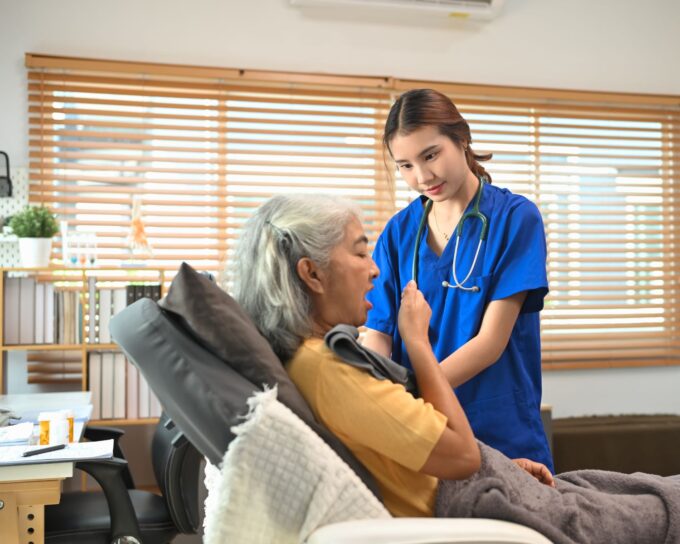
Respiratory Therapist (RT) [19][20]
Respiratory therapists (RTs) specialize in treating breathing problems caused by lung diseases, infections, or injuries. They manage oxygen therapy, ventilators, and breathing treatments, playing a crucial role in caring for patients with asthma, chronic obstructive pulmonary disease (COPD), and pneumonia.
How They Help Patients:
- Provide critical care during respiratory distress, such as asthma attacks or severe COPD exacerbations
- Assist in developing personalized treatment plans to help older adults maintain independence and manage chronic conditions effectively
- Teach patients and caregivers how to manage lung health, use oxygen therapy safely, and prevent respiratory complications at home
What to Expect:
- Work in hospitals, rehabilitation centers, nursing homes, and home health agencies
- May assess lung function, monitor oxygen levels, and adjust breathing treatments as needed
- May visit regularly in-home health care patients to ensure they receive proper respiratory care and make necessary treatment adjustments
Social Work Staff
Social work staff provide emotional support, advocacy, and help navigate complex health care systems. They connect patients and families to essential resources and services, working closely with medical staff and community organizations to deliver person-centered care. Depending on the setting—hospital, clinic, long-term care facilities, or home health—social work staff address emotional, social, financial, and logistical needs.
Case Manager [21][22]
Case managers coordinate patient care, ensuring that individuals receive the necessary medical, social, and financial support. They work closely with health care providers, insurance companies, and community services to create personalized care plans that improve patient outcomes and streamline the health care process.
How They Help Patients:
- Assist in managing medical appointments, treatments, and follow-up care
- Help secure home care, rehabilitation services, and financial assistance
- Ensure that patients and families understand their care plans and rights
What to Expect:
- Can be requested or assigned to hospital patients, nursing home residents, individuals in outpatient care, or those aging at home who need assistance coordinating their medical and support services
- Individuals and caregivers may request a case manager through their health care provider, hospital staff, or insurance company, who can connect them with a specialist in medical, geriatric, disability, or mental health care
Discharge Planner [23][24]
Discharge planners ensure a smooth transition from hospital to home or another care facility. They develop post-hospitalization care plans, coordinate services, and provide resources to prevent readmission and promote recovery.
How They Help Patients:
- Arrange the safe transition to home care, rehabilitation, or nursing facility placement
- May provide instructions on medication, follow-up care, and lifestyle changes
- Responsible for identifying risks and ensuring support systems are in place before discharging patients
What to Expect:
- You will likely interact with a discharge planner towards the end of a hospital stay.
- They often work with other hospital staff to develop care plans before discharge and ensure patients and families understand their next steps
Social Worker [25][26]
Non-licensed social workers focus on providing practical assistance and navigating resources. They help patients and families access services to support health, safety, and independence, especially during transitions in care. While they work in clinical settings and are often part of the clinical team, they are not licensed to provide mental health therapy, such as licensed clinical social workers.
How They Help Patients:
- Coordinate discharge planning, including home health or rehab services, and assist with long-term care placement, in-home support, or community programs
- Provide help with health insurance, advance care planning, or financial aid
- Advocate for patient preferences and ensure rights are respected
What to Expect:
- Conversations about what you need to return home safely
- Guidance with paperwork, benefits, or finding services like transportation or meal programs
- Collaboration with your health care team to ensure your goals and concerns are addressed
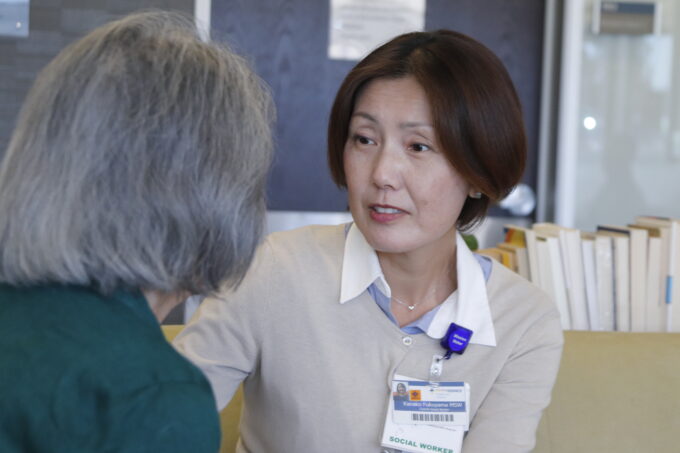
Licensed Clinical Social Worker (LCSW) [25]
Licensed clinical social workers (LCSWs) specialize in mental health counseling, helping individuals manage stress, anxiety, and life transitions. In addition to traditional social work and case management duties, LCSWs are licensed to provide therapy and clinical interventions.
How They Help Patients:
- Provide counseling for depression, anxiety, grief, or trauma including chronic illness and aging-related concerns
- Help manage the emotional toll of serious illness, caregiving, or loss
- Support transitions such as entering hospice, assisted living, or home care
What to Expect:
- Usually work in hospitals, nursing homes, hospice care, rehabilitation centers, and community programs offering one-on-one therapy and family counseling
- Individual therapy and family counseling
- Conducts emotional check-ins during hospital stays or outpatient visits, acting as a bridge between patients, families, and health care providers
- Individuals and caregivers may request a LCSW through their health care provider, hospital, insurance company, or local community organizations that offer support services
Sources
[1] Cleveland Clinic. (2025). Primary care physician. https://my.clevelandclinic.org/health/articles/23467-primary-care-physician
[2] Kaiser Permanente. (2024). Medical Specialists
https://healthy.kaiserpermanente.org/health-wellness/health-encyclopedia/he.medical-specialists.specl#ps2269
[3] National Cancer Institute. Specialist
https://www.cancer.gov/publications/dictionaries/cancer-terms/def/specialist
[4] UCLA David Geffen School of Medicine. (2017). Trauma Surgeons vs ER Doctors – What Is the Difference? https://medschool.ucla.edu/blog-post/trauma-surgeons-vs-er-doctors-what-is-the-difference
[5] Society of Hospital Medicine. What is a hospitalist? https://www.hospitalmedicine.org/about/what-is-a-hospitalist/
[6] St. George’s University. (2022). What is a hospitalist? https://www.sgu.edu/blog/medical/what-is-a-hospitalist/
[7] Yale Medicine. (2022). What is a hospitalist? https://www.yalemedicine.org/news/what-is-hospitalist
[8] CareRev. (2024). Patient care technician vs CNA: What’s the difference? https://www.carerev.com/blog/patient-care-technician-vs-cna
[9] St. Louis College of Health Careers. (2022). CNA versus PCT: What are the similarities and differences between the two careers? https://slchc.edu/nursing/cna-versus-pct-what-are-the-similarities-and-differences-between-the-two-careers/
[10] California Board of Vocational Nursing and Psychiatric Technicians. Licensed vocational nurses. https://www.bvnpt.ca.gov/licensees/licensed_vocational_nurses.shtml
[11] Cleveland Clinic. (2024). Registered Nurse https://my.clevelandclinic.org/health/articles/registered-nurse-rn
[12] Regis College. (2021). RN vs LPN. https://www.regiscollege.edu/blog/nursing/rn-vs-lpn
[13] Cleveland Clinic. (2023). Nurse practitioner. https://my.clevelandclinic.org/health/articles/24651-nurse-practitioner
[14] West Coast University. (2024). Exploring Adult-Gerontology Nurse Practitioner Roles. https://westcoastuniversity.edu/blog/exploring-adult-gerontology-nurse-practitioner-roles#:~:text=conditions%20and%20treatments-,Adult%2DGerontology%20Primary%20Care%20Nurse%20Practitioner%20(AGPCNP),Promoting%20preventive%20care
[15] Cleveland Clinic. (2023). Medical assistant. https://my.clevelandclinic.org/health/articles/medical-assistant
[16] Medical Board of California. Medical assistants. https://www.mbc.ca.gov/Licensing/Physicians-and-Surgeons/Practice-Information/Medical-Assistants.aspx
[17] American Academy of PAs. What is a PA? https://www.aapa.org/about/what-is-a-pa
[18] Mayo Clinic College of Medicine and Science. Physician assistant. https://college.mayo.edu/academics/explore-health-care-careers/careers-a-z/physician-assistant/
[19] Cleveland Clinic. (2023). Respiratory therapist. https://my.clevelandclinic.org/health/articles/24982-respiratory-therapist
[20] Mayo Clinic College of Medicine and Science. Respiratory therapist. https://college.mayo.edu/academics/explore-health-care-careers/careers-a-z/respiratory-therapist/
[21] Senior Specialists. (2023). Getting case management services: A detailed guide. https://www.seniorspecialists.org/getting-case-management-services-a-detailed-guide/
[22] ComForCare. Case manager for elderly: How they help seniors & their in-home caregivers. https://www.comforcare.com/blog/case-manager-for-elderly-how-they-help-seniors–their-in-home-caregivers_ae229.html
[23] Kaiser Permanente. (2024). Hospital discharge planning. https://healthy.kaiserpermanente.org/health-wellness/health-encyclopedia/he.hospital-discharge-planning.ug5158
[24] Washington State Medical Association. Discharge planner. https://jobs.wsma.org/career/discharge-planner-2
[25] University of Massachusetts Global. (2022). LCSW vs MSW: Comparing social work credentials. https://www.umassglobal.edu/news-and-events/blog/lcsw-vs-msw-comparing-social-work-credentials[26] University of Massachusetts Global. (2022). What is geriatric social work? Exploring this specialized role. https://www.umassglobal.edu/blog-news/what-is-geriatric-social-work-exploring-this-specialized-role
[26] University of Massachusetts Global. (2022). What is geriatric social work? Exploring this specialized role. https://www.umassglobal.edu/blog-news/what-is-geriatric-social-work-exploring-this-specialized-role